Here's Why You Need to Keep Pink Pampas Grass Out of Your Garden

12.6K
1K
321
2025-11-11
Here's Why You Need to Keep Pink Pampas Grass Out of Your Garden

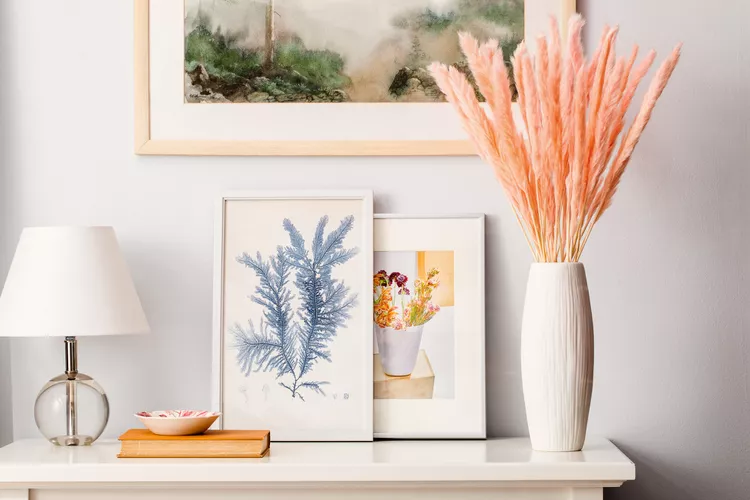
Pink pampas grass looks magical and airy in a vase. The feathery, larger-than-life plumes decorate homes, weddings, and photo shoots. They're a staple of boho-style and modern designs and make a beautiful addition to a bubblegum-colored arrangement of dried flowers that never dies.

Given this plant's popularity, you might be tempted to include it in your landscape, too. Before you start digging, remember that the seed heads of pink pampas grass may look angelic, but the plant has some devilish characteristics you'll want to avoid.

What is Pink Pampas Grass?

Pampas grass (Cortaderia selloana) is native to South America, specifically Brazil, Argentina, and Chile. It got its name from the Pampas Plains. This tough grass thrives in heat and plenty of bright sunlight. It grows quickly into a big, bold plant. Once established, the grass can grow an inch a day. A clump of pampas can expand to about eight feet wide and up to 12 feet tall (there are shorter varieties, too). The plumes themselves grow between one and three feet in length.

There are several varieties of pampas grass. Some are big, some are small, and a few are pink. Types like Rosea and Pink Feather showcase bright pink blooms. Other pampas grass plumes look white, silver, cream, or bluish-green. There's even a purple one called Andean pampas grass that can grow up to 22 feet tall.

Pink Pampas Grass Can Be Male or Female

The extra fluffy pink pampas grass seed heads used in homes and at events are from female plants. The plants can be female or male, each with distinctive plumes. The female plumes are much bigger and more wispy-looking. Male plumes are more slender because they lack the additional feathery hairs around the seeds. The only way to determine if a pampas grass plant is male or female is to wait for it to bloom.

Is Pink Pampas Grass Invasive?

Some states like California and Texas have deemed that pink pampas grass is an invasive species. In these places, the plant proliferates and spreads fast. It seeds itself freely into natural ecosystems and wild plant communities. Once it takes root, pampas grass degrades grazing lands and native plant habitats and becomes a fire hazard.

Other states, such as Washington and Oregon, consider it a noxious weed. This means it's not a native plant and harmful, but the state has the potential to control or get rid of the species. Pampas grass is banned in Hawaii to help protect its native flora and fauna.

Other Pink Pampas Grass Problems

While the plumes of pampas grass are soft and fuzzy, the rest of the plant is quite the opposite. The leaves are razor-sharp and serrated like a knife. Therefore, it's considered a dangerous garden plant for people and animals.

When handling the plant, you should take precautions to protect your skin from cuts by wearing long sleeves, pants, and gardening gloves. Pampas grass also has a high pollen count, so if you have allergies, brace yourself. According to the Asthma and Allergy Foundation of America, this plant can cause sneezing, congestion, hay fever, and itchy eyes, nose, throat, ears, and mouth.

How to Remove Pink Pampas Grass

It's not easy to get rid of pink pampas grass. It's a perennial plant where it's hardy in Zones 7-11, so it will come back every year. The root system of this grass can grow over a foot deep. It may take a combination of chemical and physical actions to do the job completely.

For small plants (under three feet):

  1. Wear protective clothing such as long sleeves, pants, glasses, and gloves.
  2. Cut off the top of the plant.
  3. Pull up the root system (if the root system is still intact, see steps for large plants).
  4. Place the cut stems and roots into a plastic bag, then dispose in the trash.

For large plants:

  1. Wear protective clothing such as long sleeves, pants, glasses, and gloves.
  2. Cut the plant stems to two inches above the ground.
  3. Apply an herbicide containing glyphosate to the remaining stems.
  4. Place the cut-off stems into a plastic bag and dispose of them in the trash.
  5. Repeat the herbicide treatment one week later to ensure the roots are entirely killed.

Alternatives to Pink Pampas Grass for Your Garden

Lots of other ornamental grasses offer beautiful plumes without getting carried away. Plus, the foliage on these alternative grasses isn't as sharp as pink pampas grass.

Sources
Better Homes & Gardens is committed to using high-quality, reputable sources—including peer-reviewed studies—to support the facts in our articles. Read about our editorial policies and standards to learn more about how we fact check our content for accuracy.
  1. Grass Pollen Allergy. Asthma and Allergy Foundation of America.

Related Article

14 Best Low-Maintenance Outdoor Plants for Containers in Sun or Shade
43.2K
1.7K
172

14 Best Low-Maintenance Outdoor Plants for Containers in Sun or Shade

Choosing the right pot size and selecting low-maintenance outdoor plants to suit your space goes a long way toward achieving an easy-care container garden. These tips and ideas will help you choose beautiful, easy-care container plants.
Top Butterfly Container Garden Ideas
30.3K
3K
605

Top Butterfly Container Garden Ideas

Bring butterflies to your garden—even if you have just a deck or patio—with these easy container recipes.
14 Holiday Planter Ideas That Will Give Guests a Warm Welcome
3.9K
313
156

14 Holiday Planter Ideas That Will Give Guests a Warm Welcome

Use outdoor arrangements to set a festive mood this holiday season. Copy these holiday planter ideas, or use them as inspiration for your custom look.
Best Plants for Mississippi Landscapes
34.2K
1.4K
437

Best Plants for Mississippi Landscapes

These award-winning plants are proven successes in landscapes throughout Mississippi and the South.
What to Know About Hugekultur Gardens and How to Create Your Own
36.9K
3.3K
1.6K

What to Know About Hugekultur Gardens and How to Create Your Own

Find out what hugelkultur is and the benefits this low-maintenance gardening technique provides with step-by-step instructions to create your own.
Your Seasonal Lawn-Care Schedule for the Northeast
32.8K
3.3K
1.5K

Your Seasonal Lawn-Care Schedule for the Northeast

Take the guesswork out of yard work. This lawn-care calendar lets you know when to mow, aerate, fertilize, and seed your yard in the Northeast.
Lawn-Care Calendar for Southern California
42.6K
2.1K
788

Lawn-Care Calendar for Southern California

For a Southern California lawn care schedule, follow our easy seasonal guide.
How to Attract Hummingbirds So They'll Visit Your Garden
46.9K
2.8K
1.3K

How to Attract Hummingbirds So They'll Visit Your Garden

Here's how to attract hummingbirds to your garden so these adorable, fascinating birds become frequent visitors and add their charm to your landscape.
This Bulb Planting Guide Will Help Fill Your Yard with Spring Flowers
13.1K
915
201

This Bulb Planting Guide Will Help Fill Your Yard with Spring Flowers

Find out the best time and how deep to plant each type of spring bulb.
How to Plant and Grow Climbing Roses
9K
269
94

How to Plant and Grow Climbing Roses

Get cottage garden style when you learn to grow climbing roses. They add abundant flowers when grown on pillars, fences, arbors, and gazebos.
Why Are My Dahlias Not Blooming? These 5 Mistakes May Be to Blame
5K
453
194

Why Are My Dahlias Not Blooming? These 5 Mistakes May Be to Blame

Dahlias can add a rainbow of hues to your flower garden, but If you're not sure whether your dahlias look healthy, check out the five most common mistakes when growing dahlias. Find out what you can do to ensure they produce a full show of blooms.
How to Grow a Venus Flytrap as a Houseplant
38.3K
2.3K
551

How to Grow a Venus Flytrap as a Houseplant

To grow a Venus flytrap, you need to give this carnivorous plant special care. Use these tips to keep your Venus flytrap thriving indoors as a houseplant.
How to Fertilize Indoor Plants for the Lushest Growth
23K
1.1K
367

How to Fertilize Indoor Plants for the Lushest Growth

Fine out when and how to fertilize indoor plants, plus the best types of fertilizer to use.
10 Best Carrot Companion Plants to Grow for a Bigger Harvest
5.4K
379
49

10 Best Carrot Companion Plants to Grow for a Bigger Harvest

Carrots get along with most other vegetable plants, but these top carrot companion plants will give you some added benefits.
How to Plant and Grow a Citronella Plant
18.8K
1.5K
285

How to Plant and Grow a Citronella Plant

Citronella plant is a scented geranium that is grown as an annual or perennial or as a houseplant.
Grow the Most Productive Beefsteak Tomato Plants with These 9 Tips
30.7K
2.2K
279

Grow the Most Productive Beefsteak Tomato Plants with These 9 Tips

Beefsteak tomato plants, also called slicers, are easy to grow in vegetable gardens or containers with these simple tips for success.
4 Best Types of Lettuce to Grow in Your Garden
8.8K
795
159

4 Best Types of Lettuce to Grow in Your Garden

Grow these types of lettuce to ensure a steady supply of crisp greens for your salads. Choose from loose-leaf, head, mini head, and best lettuces for containers.
18 Stunning Blue Flowers You’ll Love Having in Your Garden
2K
81
13

18 Stunning Blue Flowers You’ll Love Having in Your Garden

Plants with blue flowers add a calm, cooling splash of color to your landscape. We’ve rounded up blue perennials, annuals, shrubs, vines, and bulbs.
How to Attract Bluebirds to Your Yard: 11 Must-Know Tips
13.4K
1.1K
203

How to Attract Bluebirds to Your Yard: 11 Must-Know Tips

These tips on how to attract bluebirds will help you create a welcoming habitat. Discover the best types of foods, birdhouses, water sources, and more for attracting bluebirds.
The Living Wall Is the Natural Next Step for Decorating with Plants
39.3K
2.7K
467

The Living Wall Is the Natural Next Step for Decorating with Plants

Bring nature indoors in a large-scale way with this green trend. Living walls are walls covered in plants, and there are several different ways to try one in your space.