When plant professionals volunteer to sift through hundreds of plants, you can be certain they're motivated by passion. For the Georgia Plant Selections Committee, that passion is all about identifying the best landscape plants for Georgia gardens. Formed in 1993, this nonprofit is comprised of nurserymen, flower growers, garden center retailers, landscape professionals, botanical garden professionals, and faculty from the University of Georgia. The all-volunteer committee is committed to promoting the use of plants that are proven performers in Georgia. They look at six categories to select Georgia Gold Medal Plants: annuals, perennials, shrubs, trees, vines or groundcovers, and native plants. This invaluable tool for home gardeners takes the guesswork out of buying plants.
So which plants earn their stamp of approval? Peruse some of the committee's picks, ranging from Georgia bushes to trees to groundcovers, and decide which ones to add to your garden.
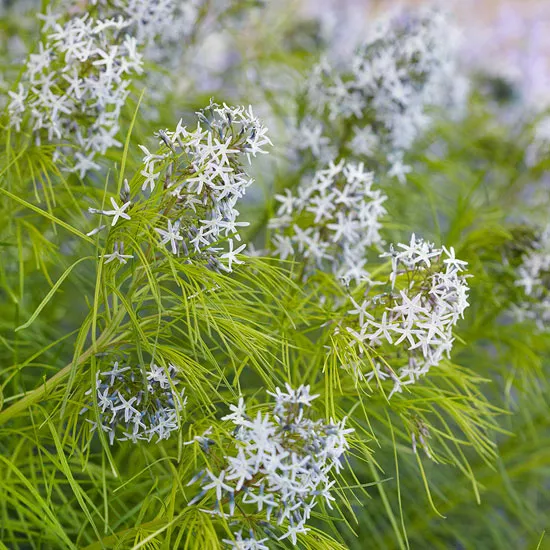
Arkansas bluestar (Amsonia hubrectii) - Zones 4-10
When people envision fall color, they don't necessarily think about perennial plants. Arkansas bluestar, however, is an absolute must-have for a vibrant autumn garden. The whole plant turns a deep golden color that seems to glow in the fall sun. A mature Arkansas bluestar will be about 3 feet high and wide with a delicate, wispy appearance, thanks to long stems with very thin leaves. Light blue, star-shape flowers bloom in spring and last for many weeks. Once established, this is a drought-tolerant, deer-resistant, low-maintenance addition to your Georgia garden. In 2011, the Perennial Plant Association chose Amsonia hubrectii as the Perennial Plant of the Year, another outstanding endorsement.
Butterfly weed (Asclepias tuberosa) - Zones 3-9
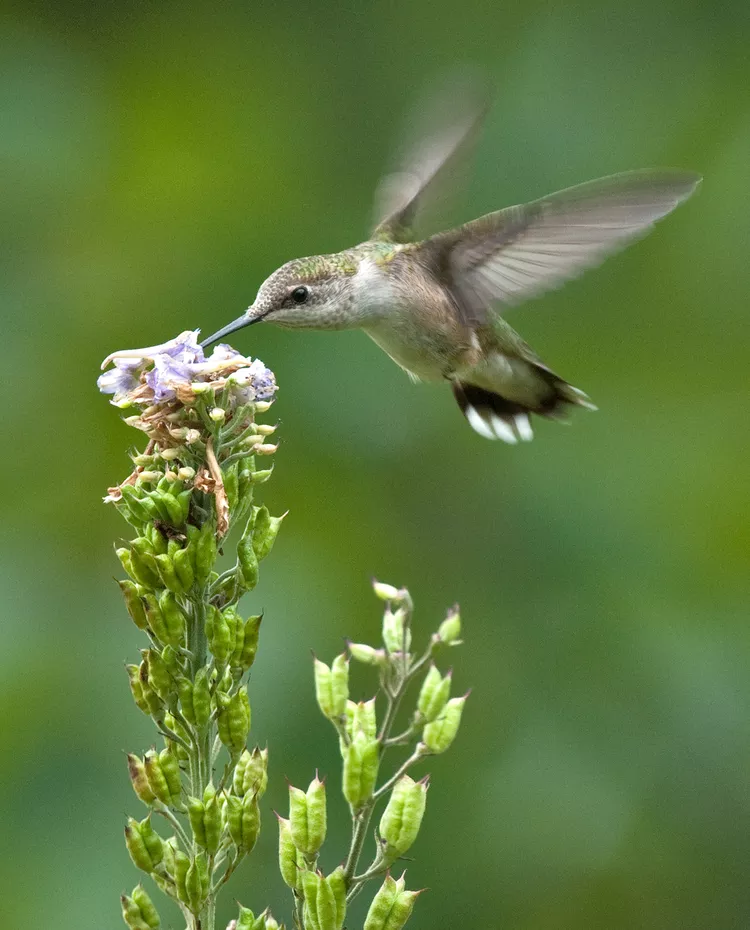
This orange butterfly magnet is anything but a weed. Despite its name, this flowering perennial plant is not aggressive or invasive—in fact, it's vitally important as a food source for Monarch butterfly caterpillars and a go-to nectar spot for hummingbirds and other butterflies. The butterfly weed likes dry, sunny areas, so it will be especially happy in your full-sun perennial border garden. Reaching 2 to 4 feet tall, it's ideal for the midsection of the border or planted with ornamental grasses in a naturalized area. To accent its stunning hue, pair it with plants in contrasting colors, like purple coneflower, blue salvia, or Persian shield. The bright orange blossoms shine in a colorful summer bouquet.
Perennial plumbago (Ceratostigma plumbaginoides) - Zones 5-9
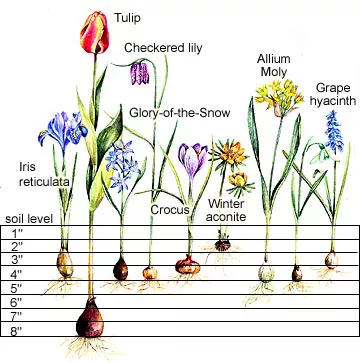
This hardworking groundcover deserves more admiration than it receives. Plumbago is just 8 to 12 inches tall and will spread to be 1 to 2 feet wide. Although you can grow it in sun or partial shade, a little protection from the harsh late-afternoon sun will help it thrive. Plumbago begins to flower in late spring and continues to bloom on and off until fall. Consider planting it alongside early-spring bulbs, since plumbago leafs out just in time to cover up their spent foliage. It looks beautiful in front of shrubs as part of a border or spilling over walls.
'Rozanne' geranium - Zones 5-8
No Georgia garden should ever be without the hardy 'Rozanne' geranium. This purplish-blue perennial is heralded as an exceptional performer, even in the unrelenting summer heat and humidity of the Southeast. 'Rozanne' will form a rounded mound about 18 to 20 inches tall and wide. Each blossom emerges in shades of blue touched with violet and a white center. Use 'Rozanne' as part of a perennial border to weave colors together—its hue blends remarkably well with others. If your geraniums becomes lanky in midsummer, give them a trim, and you'll be rewarded with another floral display. The foliage turns an attractive burnt red come autumn.
Swamp hibiscus (Hibiscus coccineus) - Zones 6-11
This sun-loving perennial grows up to 10 feet tall and 3 to 4 feet wide, with tropical raspberry-red flowers as big as your hand that bloom from late spring until frost. As a native of the southeastern United States, the swamp hibiscus is well-suited to Georgia gardens. In fact, its name provides a clue about its preferred environment: rich, moist soil, ideally near a pond or other water feature. However, swamp hibiscus is an adaptable shrub that will grow in most garden soils, as long as there's adequate moisture. Cutting back the branches in late winter will keep your shrub young and vigorous.
Bottlebrush buckeye (Aesculus parviflora) - Zones 4-8
Few, if any, summer-flowering shrubs can rival this beauty, which is native from South Carolina all the way to Florida. In June and July, the bottlebrush buckeye is covered with long flowering stems, at least a foot tall, composed of individual white blossoms that stand straight up like candles and attract hummingbirds and butterflies. This shade-loving shrub is often planted under a canopy of pines and other shade trees, where the white blooms will stand out even more. It's adaptable but prefers slightly acidic soil, rich in organic matter. Pruning is seldom required.
Purple beautyberry (Callicarpa dichotoma) - Zones 5-8
The slender arching branches of this shrub are covered with deep lavender berries in September and October. "It's one of the most graceful and refined shrubs in the autumn landscape," says Michael Dirr, professor of horticulture at the University of Georgia. For an exquisitely colorful combination, plant it with oakleaf hydrangeas, which have leaves that turn shades of deep purple and red at the same time these purple berries ripen. Reaching just 3 to 4 feet in height and width, the purple beautyberry is an ideal mid-size transition from taller trees and shrubs to perennials. Plant in full sun or light shade in moist, well-drained soil.
Paperbush (Edgeworthia chrysantha) - Zones 7-10
Paperbush is a pleasant surprise in the coldest stretch of the year. It will grace your garden with beautiful blooms in the middle of winter and gives off a divine fragrance. Topping out at 4 to 6 feet in height and width, the naked chocolate-color branches are crowned with tight clusters of flowers at the tips. The white blossoms with golden yellow centers hang down like little bells, insisting you stop to smell them. Paperbush prefers filtered shade and moist, well-drained soil. Note: It's also sometimes called Edgeworthia papyrifera.
'Alice' oakleaf hydrangea (Hydrangea quercifolia) - Zones 5-9
The 'Alice' cultivar is a distinct improvement on this species of hydrangea. For one, the flowers are larger, ranging from 10 to 14 inches long. The bloom time is longer, too, up to four to six weeks before turning pink and finally fading to tan. Clip the flowers for a stunning addition to your floral arrangements. Even the spent flowers are ornamental and stand out smartly against the burgundy foliage of fall and the bark of winter. 'Alice' can grow to be 12 feet tall and wide, so give this shrub some room. Morning sun and afternoon shade along with moist, well-drained soil are best.
Fragrant tea olive (Osmanthus fragrant) - Zones 7-10
Fragrant tea olive blooms in fall when most other plants are winding down for the winter. The tiny white blossoms are often hidden in the foliage, but you'll know when they're in bloom because of the delightful fragrance that fills the air around them. This is a large shrub, growing 20 to 30 feet tall, and is great as the backdrop for a border or as an evergreen hedge. Several cultivars are available with yellow and apricot-color flowers. If you live in the mountains in the upper reaches of Zones 6-7, Osmanthus x fortunei with its holly-like leaves is a better choice.
American hornbeam (Carpinus caroliniana) - Zones 3-9
American hornbeam is an incredibly versatile tree, reaching 30 to 40 feet in height. Although it can adapt to a wide range of conditions, it prefers moist soil and part to full shade. Often called musclewood, this plant's exceedingly hard wood was used by early settlers for bowls and small hand tools. Today, American hornbeam is recommended as a midsize oval to round tree for urban gardens. Flowers appear in spring as decorative catkins hanging down along the branches. The dark green foliage turns yellow, orange, and red in the fall.
American yellowwood (Cladrastis kentukea) - Zones 4-8
This native tree is magnificent in late spring when it's in full bloom. White, wisteria-like, fragrant flowers hang from 10- to 14-inch stems enveloping the entire tree. This is a medium-size tree, 30-50 feet tall with a rounded crown, ideal for urban gardens. Foliage groupings of seven or eight leaflets turn golden yellow in the fall. The roots of American yellowwood go quite deep, so it is drought-tolerant once established and will tolerate other plants growing under the canopy. Plant in full sun for the most abundant floral display.
Lavender Twist redbud (Cercis canadensis 'Covey') - Zones 4-9
Lavender twist is a weeping form of the much-loved native redbud. This small, slow-growing tree will eventually reach up to 15 feet. Cascading branches form an umbrella of branches, some even touching the ground. In early spring, even before the foliage unfurls, multitudes of pink buds and flowers line the smooth gray branches. Soon after, the heart-shape foliage appears. Full sun to partial shade and moist, well-drained soil suits this tree best.
'Little Gem' magnolia (Magnolia grandiflora) - Zones 7-9
'Little Gem' offers the grace of majestic Southern magnolias in a smaller size. Growing just 20 feet tall and 10 feet wide, this magnolia tree features dark green foliage that shines like polished leather, while the warm brown reverse adds a layer of interest. The foliage is prized for floral arrangements and holiday decorating. Fragrant white, cup-shape flowers bloom on and off all season long. Plant in full to part sun in moist, acidic soil, and make sure the tree will be protected from winter wind and sun in northern areas.
'Yoshino' Japanese cedar (Cryptomeria japonica) - Zones 5-9
Only recently did Japanese cedars gain wide acceptance in North American gardens, once new cultivars became available. 'Yoshino' grows 20 to 30 feet tall, but only 5 to 6 feet wide, bringing a strong vertical component to the landscape. This is a fast grower, ideal for hedges. In the summer, the needles are a glistening blue-green, changing to plum purple in winter. While 'Yoshino' was selected for its superior winter hardiness, some protection from winter winds is still desirable. It will grow in either sun or shade.
Athena 'Emer I' elm (Ulmus parvifolia) - Zones 4-9
Athena is a classic beauty with a compact globe shape. This tree will grow 30 to 40 feet tall and eventually up to 50 feet wide. The foliage is shiny dark green, almost black, and the leaves turn bronze before falling. The bark provides a great deal of winter interest, exfoliating to display a tapestry of gray, green, orange, and brown shades. Best of all, Athena is proven to be resistant to Dutch elm disease.