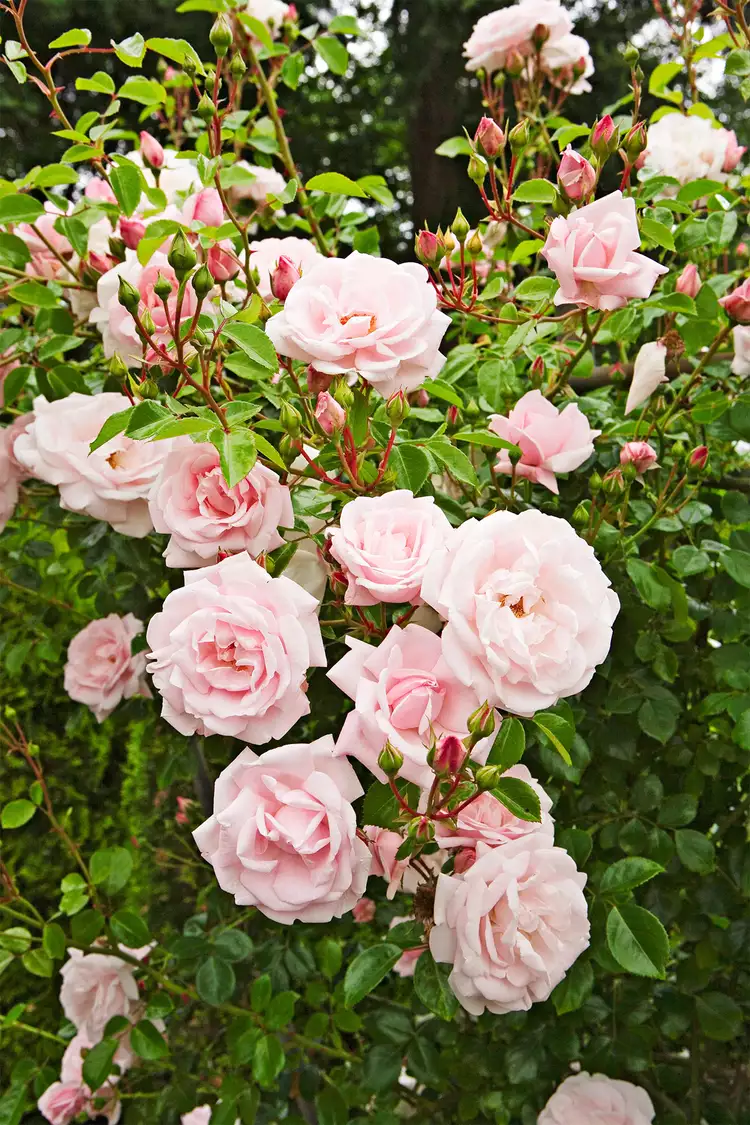
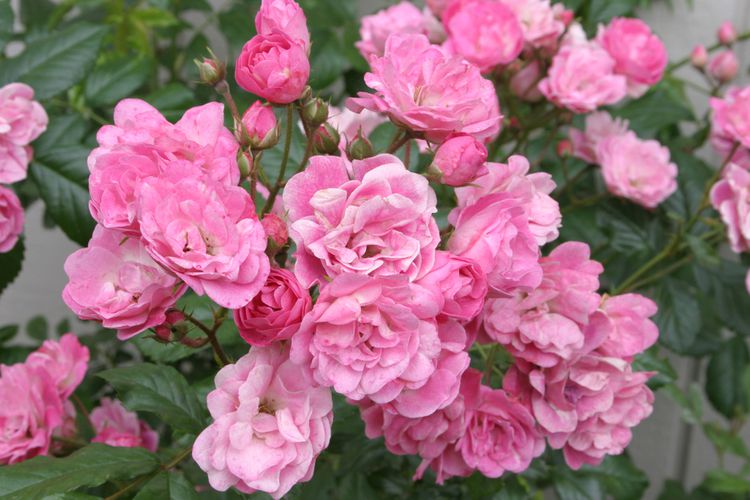
One of the most popular flowers in the world is the rose. This shrub is a perennial, with over 100 species, primarily native to North America. Roses are prized for their many colors, and some have a beautiful scent. The sizes of rose blooms range from small and compact to large and lush. Nearly all rose varieties have thorns.
The three main types of roses are shrubs, climbers, and ramblers. Shrubs are suitable for gardens and borders, climbers are best for camouflaging walls or adding color to outdoor structures, and ramblers are suited for groundcover and to give a more natural look to a garden.
Roses are sometimes considered difficult plants to grow and care for since they require regular pruning and maintenance. While that may have been true for roses before, in recent years, roses have been bred and cultivated to be easier for gardeners to manage.
Where to Plant Roses
To get your roses off to a great start, plant them in the proper growing conditions. All roses grow best in full sun with moist, well-drained soil rich in organic matter. Roses prefer slightly acidic soil (6-7 pH).
Shrub roses are meant to be grown all over the country, especially in places where other rose species may not be very hardy. If you live in a part of the country where it's cold and windy, let the plant go dormant when the ground freezes in the winter.
If you're planting roses along a walkway or near a patio where you'll sit, choose blooms with a scent to add to your enjoyment.
How and When to Plant Roses
Roses should be planted after the last frost in the spring or in fall (at least six weeks before your average first frost). By planting early enough in fall, the roots have enough time to get established before going dormant for the winter. Dig a hole big and wide enough to fit the entire root system—roses don't like to be crowded. Also, plant rose bushes at least 3 feet apart to allow for growth
Bare-Root Roses
Shrub roses come in a few forms. Bare-root roses are available in early spring and are sold as a set of roots packed in peat moss or similar material that holds moisture well. It's best to purchase bare-root roses when they're dormant or just beginning to grow, since they can require a long time to take off. It's easy to order these roses to be delivered inexpensively, so you can add multiple roses to your landscape at a low cost.
Container Roses
Container-grown roses are typically a little more expensive than bare-root roses, but they're easier to plant. Like other perennials or shrubs, you can plant them in the spring, summer, or fall. However, it would be best if you didn't plant them in extreme heat because it puts too much stress on the plant. Start by digging a hole about twice as wide (but no deeper) than the rose's pot. Take the rosebush out of the container and loosen the roots. Spread roots out if they're growing in circles around the root ball. Place the roots in the hole and fill with soil, making sure to water well after you plant it.
Fragrant Roses
Aside from their beauty, gardeners love fragrant roses to fill their gardens with sweet scents all season long. The breathtaking aroma is why roses are often used in perfumes. But, unfortunately, when other factors come into rose breeding (like disease resistance, hardiness, and ease of planting and growing), sometimes attention to fragrance takes a back seat. Luckily, that's not the case anymore, as intense fragrance is just as important as other characteristics.
Easy Elegance 'Yellow Brick' rose has a beautiful classic fragrance, while 'Knockout' has a faint floral smell. Take a sniff at the nursery to see what fragrance combination appeals to you most.
Rose Care Tips
The easiest roses to grow are shrub roses with excellent disease resistance, low-maintenance needs, and summer-long blooms. Many newer roses have been bred to need less maintenance and attention. To know which variety does best in your area, research the American Rose Society's comprehensive listing, which describes award-winning roses that grow across the country.
Light
Make sure your roses get at least six to eight hours of direct sun a day; if they get less light, the plants won't bloom as well and will be more susceptible to attack from pests and diseases. While some roses may tolerate partial shade better than others, no roses like full shade.
Soil and Water
Once you've dug the appropriate-size hole for your roots so you can plant your roses, make sure to add the right supplements. Your soil may need manure or organic compost for your plants to flourish. Also, if the ground has clay products or is packed tightly, loosening it up about a foot deeper than your hole will help with drainage.
After planting your roses, water them well, especially if you plant them in the summer when they're most susceptible to drying out. Keep watering them for the first few weeks in your garden. Watering them deeply is important, as this encourages their roots to extend farther down in the soil, where it stays moist longer.
Use a soaker hose to water—it'll keep the leaves dry, which helps your roses resist disease. Wet leaves can play host to diseases that make foliage fall off the plants.
Temperature and Humidity
Roses have some trouble with very high heat and humidity. When it's very humid, the steamy air may mean they need less water, so keep an eye on them to see if they're drooping before adding water. High temperatures can also bring pests that can damage your flowers.
If you live in a Northern region, you will probably need to protect your roses during winter. No matter which method you use, be sure to wait until the soil has frozen: You want to keep the plants frozen all winter, not protect them from the cold.
Check out some common methods to use:
Mulch: Cover rose canes with several inches of loose mulch, such as weed-free straw, pine needles, or wood chips. Adding mulch to your roses is essential for keeping your plants happy and healthy.
Rose cones: Protect roses with foam cones. First, mound soil over the rose crown, then cover the entire plant with the cone. Next, cut a few ventilation holes in the cone, and anchor it so it won't blow away during winter windstorms.
Containers: If you're growing roses in containers, move them to a more sheltered spot, such as an unheated garage, storage shed, or cool basement over the winter.
Fertilizer
Generally, if your garden is blessed with rich soil or you amend it with compost or other forms of organic matter regularly, you probably won't need to feed your plants. But if you're cursed with poor soil or are growing roses in containers, fertilizing can be helpful. In most cases, all you need is a general-purpose garden fertilizer. Be cautious, because when it comes to fertilizer, you can have too much of a good thing. Over-fertilization may cause your roses to produce fewer flowers, suffer root injury, or even kill the plants.
Because roses in containers can't reach farther into the soil to find more nutrients, they depend on you to feed them. One easy solution is to use slow-release plant food. You need to apply it just once or twice a season and it'll feed your plants for months.
Pruning
Pruning keeps your rosebushes lush, healthy, and constantly blooming. Most gardeners prune roses in the early spring when the leaves start to bud. Although it's not necessary to prune every year, you should prune to keep your shrub rose the ideal size. A full-grown shrub rose, for example, could be pruned down to 10 or 12 inches and then left alone to sprout back and rejuvenate itself to gain more blooms.
As you prune roses, keep in mind that you want your plants to grow with an open center so air can flow freely through the plant; this will also keep your rose from looking like a crazy mess of branches. As you do this, cut out any dead branches and small, weak canes. Remember: Some classic heirloom roses take a lot of complicated pruning, but shrub roses are bred to be as low maintenance as possible.
One of the big perks of shrub roses is that they bloom continuously, keeping in flower all summer and until frost. Unlike old-fashioned roses, shrub roses don't need much deadheading. The spent flowerhead can be kept on the plant with very little consequence because the design of newer rose varieties is to be low maintenance. If you want your roses to look better, help prevent disease issues, and encourage more blooms, cut faded rose flowers back to the nearest leaf.
Potting and Repotting Roses
Potting and repotting roses can keep plants growing for many years, as long as you repot them when they get too big for their containers. The processes of potting and repotting roses are similar to planting them in the ground. The best types of roses for potting are miniature and groundcover. Climbing roses won't do well when potted.
Pests and Problems
As with most plants and flowers, there are some natural enemies that you can manage, but there are also some bigger problems to look out for.
Deer: Despite their prickly thorns, deer love to munch on roses. A barrier is the best way to keep deer from your prized rosebushes, but if that's not realistic, an odor-based repellant can do the trick.
Rosette disease: This is a serious problem that spreads throughout regions. If you suspect this is a problem in your garden, contact Roserosette.org for advice and help.
Black Spot, Powdery Mildew and Downy Mildew: These are the three most common diseases that afflict roses. There are treatments for these problems as well as others that rose growers may encounter
How to Propagate Roses
The best plants to use to propagate roses are relatively new ones with less-woody stems that can be easily cut. You'll need to be patient, both with successfully propagating and with the time it takes for new plants to grow. It can take a few months for roots to grow, and a few years for the plant to flourish
Types of Roses
'Knock-Out' Rose
'Knock Out' roses come in a variety of colors and are known for their long bloom times; they bloom all summer and last until fall. The roses can come in a medium-sized shrub and are almost as wide as they are tall, so they look fantastic planted in a big bank along a fence. They also look good sprinkled among other perennials or shrubs. 'Knock Out' has a faint floral smell.
'Drift' Rose
'Drift' rose is a newer variety of shrub rose. These shrugs grow roses that are tiny flowers. 'Drift' roses are also good as a groundcover rose because they are thick and wide, so they can cover a good amount of space. These roses are also great incorporated into a flowerbed of herbs, annuals, and perennials.
'Easy Elegance' Rose
'Easy Elegance' roses are known for their fragrance and their easy-care qualities. These roses are bred to be disease resistant and able to stand up to weather extremes. A sunny spot in the garden and minimal care is all that these plants need to look their best. 'Easy Elegance' 'Yellow Brick' rose has a beautiful classic fragrance.
Rose Companion Plants
Roses do well with other plants that love full sun.
Heliotrope (Heliotropium): A sweet-scented flower with purple or blue blooms.
Lantana (Lantana): A sun-loving flower with small buds that attracts birds. It comes in many colors.
Verbena (Verbena): An annual that grows well in containers.
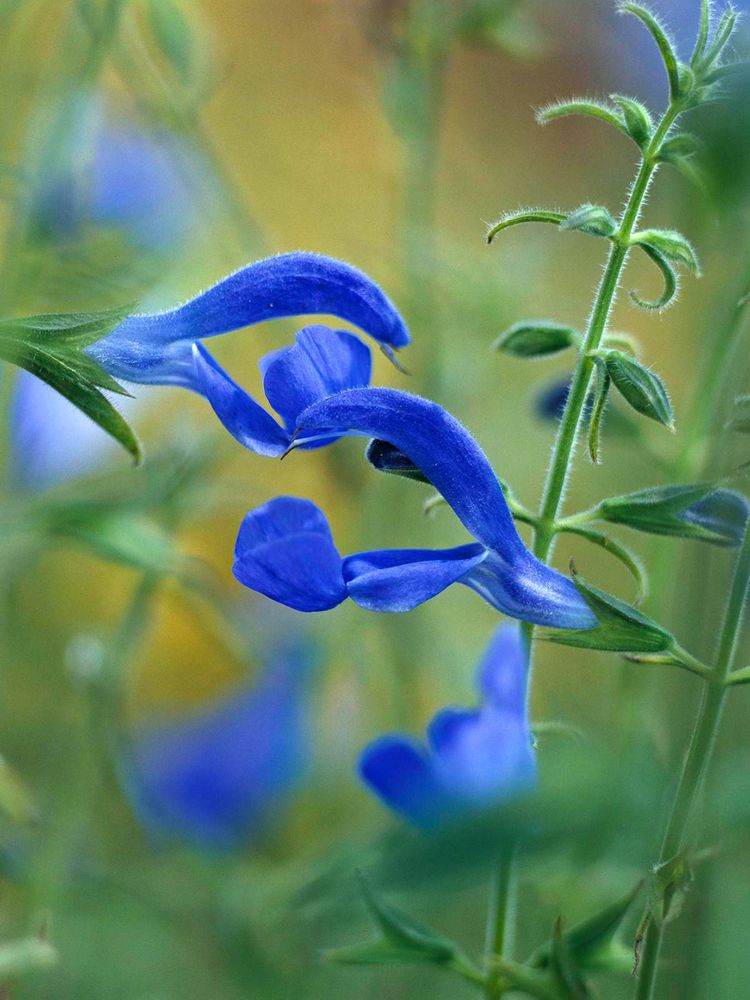
Roses also thrive among herbs and aromatics such as ornamental and culinary sage (Salvia), and scented geraniums (Pelargonium).
Garden Plans for Roses
Easy-Care Rose Garden Plan
This easy-care plan is perfect for new gardeners who want to grow roses.
Front Yard Rose Garden Plan
An arbor, climbing roses, and many other cultivars make up this gorgeous front entry plan.