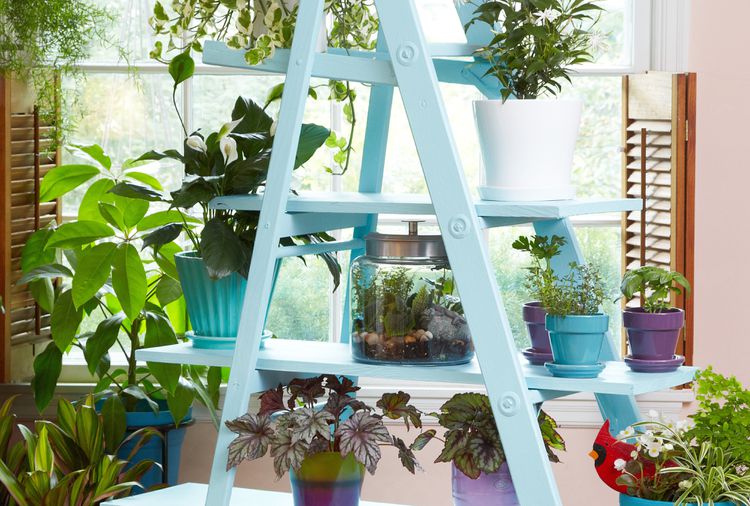

When scrolling through social media, it soon becomes obvious how much we all love our houseplants. They add so much beauty, freshness, and life to our homes. But sometimes we can love our indoor plants a little too much, especially when we overdo it with watering. Houseplants that come from more humid places in the world also can struggle in the drier air in our homes. However, a few low-maintenance houseplants are extremely forgiving and undemanding about their growing conditions. While the following houseplants seem almost impossible to kill, do keep an eye out for common signs of distress so you can correct the problem and save your plant.
Pothos
One of the best indoor plants for low-light situations, pothos is an easy-care vining plant with heart-shape leaves. It's equally at home hanging in a basket, climbing a plant pole, or spilling over the edge of a table or shelf. The stems can get dozens of feet long over the years. A common choice for office spaces, pothos is one plant you can't kill. Well, I suppose you could kill it if you really tried, but it's one of the most forgiving houseplants. It can go a long time without water, it grows in bright light or dim spaces, and doesn't get fazed by low humidity.
Peace Lily
Another popular choice for office spaces, peace lily is a low-maintenance indoor plant that tolerates low light, low humidity, and inconsistent watering. Its glossy, lance-shape leaves arch gracefully from a central clump of stems, and can be plain green or variegated. The white flowers are most common in summer, but may occur any time of year.
Snake Plant
Sometimes called mother-in-law's tongue or sansevieria, snake plant is a tough succulent that grows well in just about any indoor space. Its upright, leathery, sword-shape leaves are usually marbled with gray-green colors and may be edged with yellow or white. There's even a mini version that stays shorter and has thinner leaves. Snake plant will grow in low light but it does better in medium or bright light.
Jade Plant
Another easy succulent to grow indoors is jade plant, which has green, plump leaves and fleshy stems. This houseplant prefers bright light but can handle some shade. It's very forgiving if you forget to water it for a while, but doesn't appreciate overwatering. Jade plants can grow very large in their containers over time and can live for many decades.
Dracaena
The Dracaena genus comprises a large group of popular foliage plants. Most grow strongly upright with long, straplike leaves variegated with white, cream, or red. Dracaenas or corn plants can get quite tall (you've probably seen them in office building lobbies, growing as a bare cane with its green leaves at the top). In low humidity, the tips of their leaves often turn brown and crispy, but you can snip off those parts if you want.
Philodendron
Similar in appearance to monstera, split-leaf philodendron has been very popular in recent years. (Both these plants have large green leaves, but monstera leaves can naturally develop small holes while philodendron doesn't.) There are also trailing/climbing types of philodendrons, and all of them are beautiful, low-maintenance houseplants.
Money Plant
The shiny leaves of money plant look almost like those of schefflera or umbrella plant, adding a tropical touch to any room. This plant has a slender trunk that often comes braided. In Asia, money plant is thought to bring good fortune and financial prosperity (you might spot them beside cash registers). This indoor tree is easy to grow, but it does best with consistent water.
Basic Houseplant Care Tips
Many common houseplants are from subtropical or tropical areas of the world, so they tend to prefer the same conditions that we're most comfortable in. That's one reason why these plants became so popular to grow in our homes starting in Victorian times, which was when indoor heating was perfected. Indoor plants prefer the same range of temperatures we do, in the 60s and 70s, but they don't handle the excessive dryness as well. Sometimes people end up overwatering their houseplants to compensate for the dry air, but soil moisture doesn't help the air moisture situation.
If the air is too dry, many indoor plants develop brown leaf tips. To keep your houseplants happy, keep them away from any source of forced air or heat like vents, heaters, or radiators. In the winter, when the air is driest, lightly mist houseplants daily. Open a nearby window when the weather is above 50˚F to let in more humid air.
Also, keep light in mind. Most houseplants prefer bright, indirect light rather than direct sunlight which can burn the leaves. If your hand casts a bit of a shadow indoors, that's considered bright indirect light. Make sure to choose a place to put your plants carefully.
To avoid overwatering, stick your finger about an inch into the soil to feel if it's moist. You can also use a moisture meter. If the soil has moisture, wait a few days before watering. As a rule of thumb, only water a plant when the soil is dry to the touch.
Signs Your Plant Isn't Healthy
Plants can't speak to you but they can certainly show you when they aren't happy. If you know what your plant looks like when it's healthy and happy, it will be very obvious when it looks pale, limp, or dull. Telltale signs to look for include:
- Yellow leaves often indicate overwatering or poor drainage that's keeping roots too wet. It may also mean your plant is getting too much sunlight or needs more nutrients.
- Wilting and brown spots can be a sign of overwatering and possibly root rot or other diseases.
- Stunted growth means the plant is rootbound and too large for its pot
How to Repot a Rootbound Houseplant
Once in a while, your houseplants need repotting as they outgrow their containers. To check, slide them out of the pot and look at the roots. If there's a high root to soil ratio, and you see circling roots, your plant will benefit from repotting.
Choose a new pot that is a little bit wider and deeper than the previous pot. Make sure the new container has a drainage hole at the bottom (it's more challenging to avoid root rot without a way for extra water to drain out) or you may need to drill one. You can slightly cover the hole with a piece of broken pot or a pebble, as long as water can still get around that.
Fill the new pot about 1/3 of the way full with fresh potting mix. Keep the soil surface at the same level it was in the old pot, adding extra mix around the plant's roots until the new pot is filled in. A common mistake is to fill the pot all the way to the top, which makes watering more challenging. Instead, leave at least a half inch at the top unfilled. This space creates a reservoir to hold water until it can soak in. Water the plant well to settle it into the new pot. Wait a couple of weeks, then use a diluted fertilizer to add some nutrients.