How to Repot Succulents to Keep Them Healthy and Thriving

9.1K
726
261
2025-11-16
How to Repot Succulents to Keep Them Healthy and Thriving

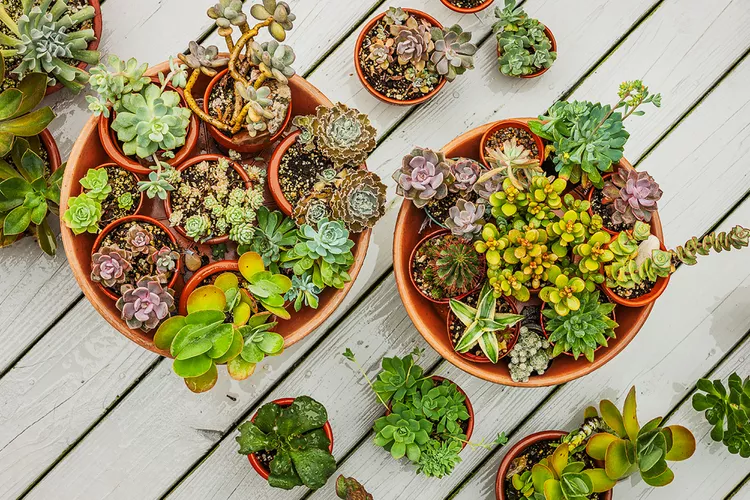
It’s a gardening basic: Plants in pots will eventually outgrow the space, which is why it's important to know how to repot succulents when they need it. Repotting every once in a while is necessary to keep plants healthy, and succulents require a little special treatment to move them into a larger container successfully. This guide explains how to know when your succulent needs a new container and includes a step-by-step guide on handling the plant so it makes the transition smoothly.

When to Repot Succulents

The best time to repot succulents is at the beginning of their growing season. Depending on the type of succulent, the growing season begins in the early spring or early fall. Don’t repot a succulent when it’s dormant. A dormant succulent is resting up for the return of its growing season. You may harm it by repotting it mid-nap.

Succulents that go dormant in the winter include sedum, echeveria, kalanchoe, and agave. They are best repotted in the spring. Succulents that go dormant in the summer include aloe, aeonium, haworthia, and senecio, so they are best repotted in the fall.

Don’t repot a succulent that’s blooming, either. Disturbing it will interrupt the blooming process. Repotting a succulent may even make the blooms fall off the plant prematurely. Let those flowers bloom and fade before moving the succulent into a new pot.

Signs a Succulent Needs Repotting

These are signs that you need to move your succulent plant to a new, larger pot.

Growth has slowed down or stopped. If your succulent appears to have stopped growing even though you gave it the right amounts of sun and water, it may be because it’s in a too-small pot of worn-out soil. A larger pot with fresh soil provides nutrition for the succulent and room for its roots to grow.

Water drains from the pot faster than it used to. This could mean the succulent is rootbound, and little soil remains in the pot to hold water. The old pot may be full of roots that have displaced the soil.

You can see roots growing out of the pot. If you see roots on the surface of the potting soil or poking out of the drainage hole at the bottom of the pot, the succulent has outgrown its pot and needs a larger one to keep growing.

You just bought it. New succulents sometimes come in too-small pots full of tired potting mix. Many nurseries use potting mixes that are heavy with peat moss to lighten the shipping weight of plants. Peat isn’t the best growing medium for succulents. Put your new succulent in a new pot with a high-quality, well-draining succulent mix.

It has been in the same pot for more than five years. Succulents should be repotted every two or three years, depending on the variety and growth rate. Even if you see no other signs indicating a succulent needs repotting, put your plant in a pot of new, fresh soil. You’ll give the succulent a burst of nutrients to fuel its growth for a few more seasons.

Steps for Repotting Succulents

Here’s how to repot your succulent when the time comes:

  1. Choose a new pot that is at least 2 inches wider and 2 to 3 inches deeper than the diameter of the succulent.
  2. Fill the new pot ¾ full with a potting mix made especially for succulents or cacti. You can make your own potting medium by mixing equal parts of compost, coir, and perlite.
  3. Remove your succulent from its current pot, and gently loosen the roots with your fingers. Lightly brush the old soil off the plant roots.
  4. Place the plant on top of the soil in the new pot and cover the roots completely with fresh potting mix. Don’t cover any of the leaves with soil or allow them to touch the soil lest they rot.
  5. Lightly pat down the soil mix to stabilize the succulent in its new pot.

Caring for Succulents After Repotting

After repotting a succulent, give it some special attention.

  • Water the newly replanted succulents lightly a day after transplanting them.
  • Keep them in a shady spot while they adjust to the new container and growing conditions.
  • Wait a few weeks before fertilizing the plant. You want the succulent to put its energy into adapting to its new pot, not putting out new growth.

Frequently Asked Questions

  • Can repotting succulents cause them to die?

    No matter how careful you are, repotting a succulent damages the root system, which causes transplant shock. Signs of transplant shock include yellowing or dropping leaves and a limp, weak look to the entire plant. Most succulents recover within two weeks, but it's possible that repotting will kill an overly stressed succulent.

  • What kind of potting soil do succulents need?

    Succulents need loose potting mix with a high ratio of perlite and pumice to organic matter. The goal is a mix that allows for fast drainage. Soil that holds water and keeps roots wet harms succulents; these drought-loving plants don’t need consistent moisture. Always use a potting mixture formulated for cacti and succulents.

  • Can you grow succulents from seeds?

    Yes, and now that succulents are trendy, seeds for even rare types are available from online distributors. Growing succulents from seeds is similar to growing most plants from seeds. A critical factor is to use soil that is half potting soil and half sand, pumice, or perlite.

Related Article

14 Best Low-Maintenance Outdoor Plants for Containers in Sun or Shade
43.2K
1.7K
172

14 Best Low-Maintenance Outdoor Plants for Containers in Sun or Shade

Choosing the right pot size and selecting low-maintenance outdoor plants to suit your space goes a long way toward achieving an easy-care container garden. These tips and ideas will help you choose beautiful, easy-care container plants.
Top Butterfly Container Garden Ideas
30.3K
3K
605

Top Butterfly Container Garden Ideas

Bring butterflies to your garden—even if you have just a deck or patio—with these easy container recipes.
14 Holiday Planter Ideas That Will Give Guests a Warm Welcome
3.9K
313
156

14 Holiday Planter Ideas That Will Give Guests a Warm Welcome

Use outdoor arrangements to set a festive mood this holiday season. Copy these holiday planter ideas, or use them as inspiration for your custom look.
Best Plants for Mississippi Landscapes
34.2K
1.4K
437

Best Plants for Mississippi Landscapes

These award-winning plants are proven successes in landscapes throughout Mississippi and the South.
What to Know About Hugekultur Gardens and How to Create Your Own
36.9K
3.3K
1.6K

What to Know About Hugekultur Gardens and How to Create Your Own

Find out what hugelkultur is and the benefits this low-maintenance gardening technique provides with step-by-step instructions to create your own.
Your Seasonal Lawn-Care Schedule for the Northeast
32.8K
3.3K
1.5K

Your Seasonal Lawn-Care Schedule for the Northeast

Take the guesswork out of yard work. This lawn-care calendar lets you know when to mow, aerate, fertilize, and seed your yard in the Northeast.
Lawn-Care Calendar for Southern California
42.6K
2.1K
788

Lawn-Care Calendar for Southern California

For a Southern California lawn care schedule, follow our easy seasonal guide.
How to Attract Hummingbirds So They'll Visit Your Garden
46.9K
2.8K
1.3K

How to Attract Hummingbirds So They'll Visit Your Garden

Here's how to attract hummingbirds to your garden so these adorable, fascinating birds become frequent visitors and add their charm to your landscape.
This Bulb Planting Guide Will Help Fill Your Yard with Spring Flowers
13.1K
915
201

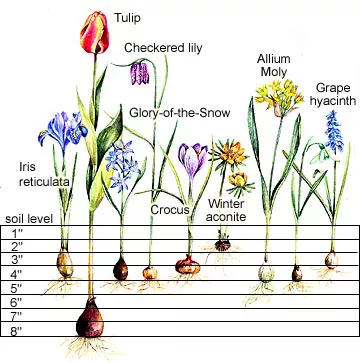
This Bulb Planting Guide Will Help Fill Your Yard with Spring Flowers

Find out the best time and how deep to plant each type of spring bulb.
How to Plant and Grow Climbing Roses
9K
269
94

How to Plant and Grow Climbing Roses

Get cottage garden style when you learn to grow climbing roses. They add abundant flowers when grown on pillars, fences, arbors, and gazebos.
Why Are My Dahlias Not Blooming? These 5 Mistakes May Be to Blame
5K
453
194

Why Are My Dahlias Not Blooming? These 5 Mistakes May Be to Blame

Dahlias can add a rainbow of hues to your flower garden, but If you're not sure whether your dahlias look healthy, check out the five most common mistakes when growing dahlias. Find out what you can do to ensure they produce a full show of blooms.
How to Grow a Venus Flytrap as a Houseplant
38.3K
2.3K
551

How to Grow a Venus Flytrap as a Houseplant

To grow a Venus flytrap, you need to give this carnivorous plant special care. Use these tips to keep your Venus flytrap thriving indoors as a houseplant.
How to Fertilize Indoor Plants for the Lushest Growth
23K
1.1K
367

How to Fertilize Indoor Plants for the Lushest Growth

Fine out when and how to fertilize indoor plants, plus the best types of fertilizer to use.
10 Best Carrot Companion Plants to Grow for a Bigger Harvest
5.4K
379
49

10 Best Carrot Companion Plants to Grow for a Bigger Harvest

Carrots get along with most other vegetable plants, but these top carrot companion plants will give you some added benefits.
How to Plant and Grow a Citronella Plant
18.8K
1.5K
285

How to Plant and Grow a Citronella Plant

Citronella plant is a scented geranium that is grown as an annual or perennial or as a houseplant.
Grow the Most Productive Beefsteak Tomato Plants with These 9 Tips
30.7K
2.2K
279

Grow the Most Productive Beefsteak Tomato Plants with These 9 Tips

Beefsteak tomato plants, also called slicers, are easy to grow in vegetable gardens or containers with these simple tips for success.
4 Best Types of Lettuce to Grow in Your Garden
8.8K
795
159

4 Best Types of Lettuce to Grow in Your Garden

Grow these types of lettuce to ensure a steady supply of crisp greens for your salads. Choose from loose-leaf, head, mini head, and best lettuces for containers.
18 Stunning Blue Flowers You’ll Love Having in Your Garden
2K
81
13

18 Stunning Blue Flowers You’ll Love Having in Your Garden

Plants with blue flowers add a calm, cooling splash of color to your landscape. We’ve rounded up blue perennials, annuals, shrubs, vines, and bulbs.
How to Attract Bluebirds to Your Yard: 11 Must-Know Tips
13.4K
1.1K
203

How to Attract Bluebirds to Your Yard: 11 Must-Know Tips

These tips on how to attract bluebirds will help you create a welcoming habitat. Discover the best types of foods, birdhouses, water sources, and more for attracting bluebirds.
The Living Wall Is the Natural Next Step for Decorating with Plants
39.3K
2.7K
467

The Living Wall Is the Natural Next Step for Decorating with Plants

Bring nature indoors in a large-scale way with this green trend. Living walls are walls covered in plants, and there are several different ways to try one in your space.